Headless CMS
A few details are enough to get started. We’ll get back to you personally.
We’ll get back to you as soon as possible.
Please try again.

As a headless CMS agency, we build content models, editorial workflows and integrations around your organisation, so your team can publish confidently across new pages, markets and channels.


Headless CMS

Migration & Launch

Backend & Integrations

Multilingual Websites
CMS Development
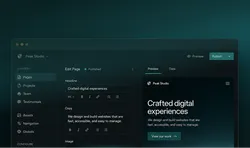
Web Development
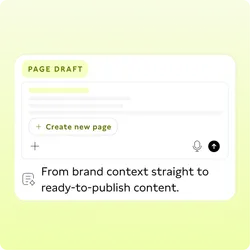
Ongoing Development
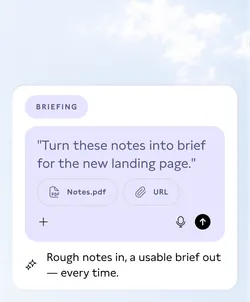
Content Strategy








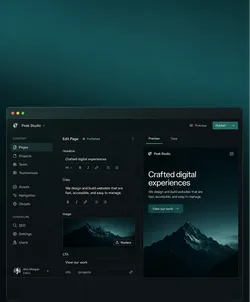
Structured content, clear roles and visible approval paths give your team a reliable way to create, review and publish across pages, languages and markets.
When every update depends on developers, scattered documents or informal sign-offs, routine changes slow down and consistency becomes harder to protect.
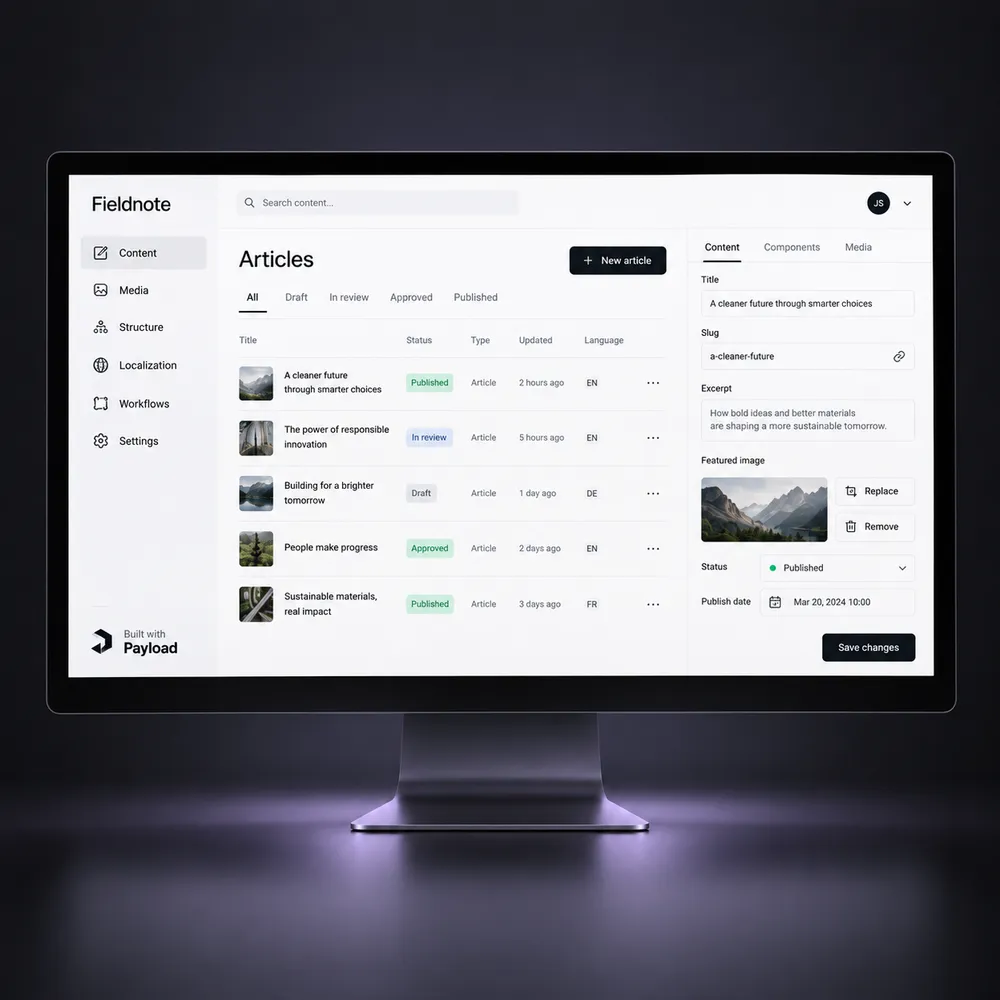
From strategy and content modelling to migration and integrations, we shape the CMS around how your organisation creates, reviews and grows content.
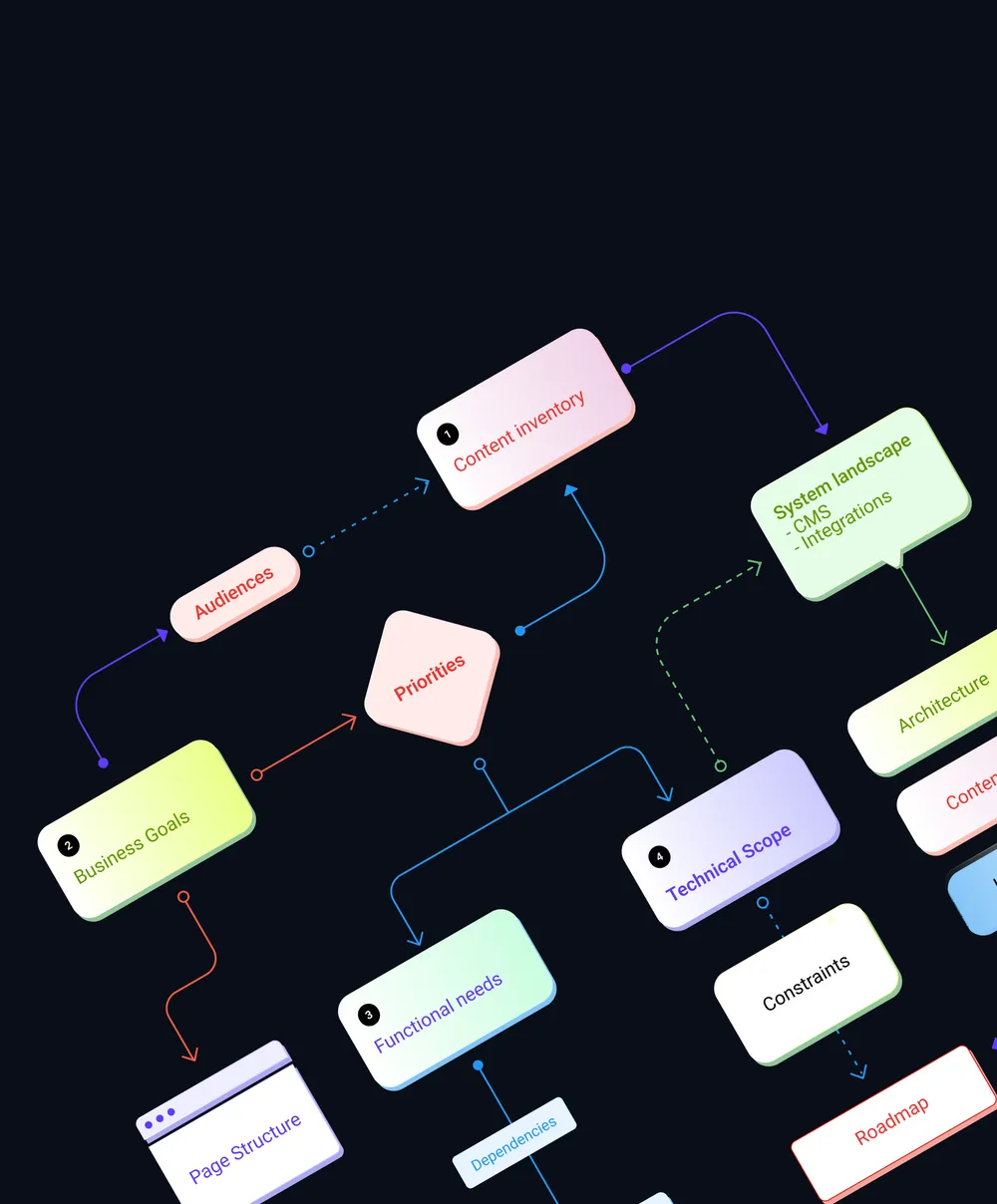
Define the roles, requirements and technical direction your content operation needs now and next.
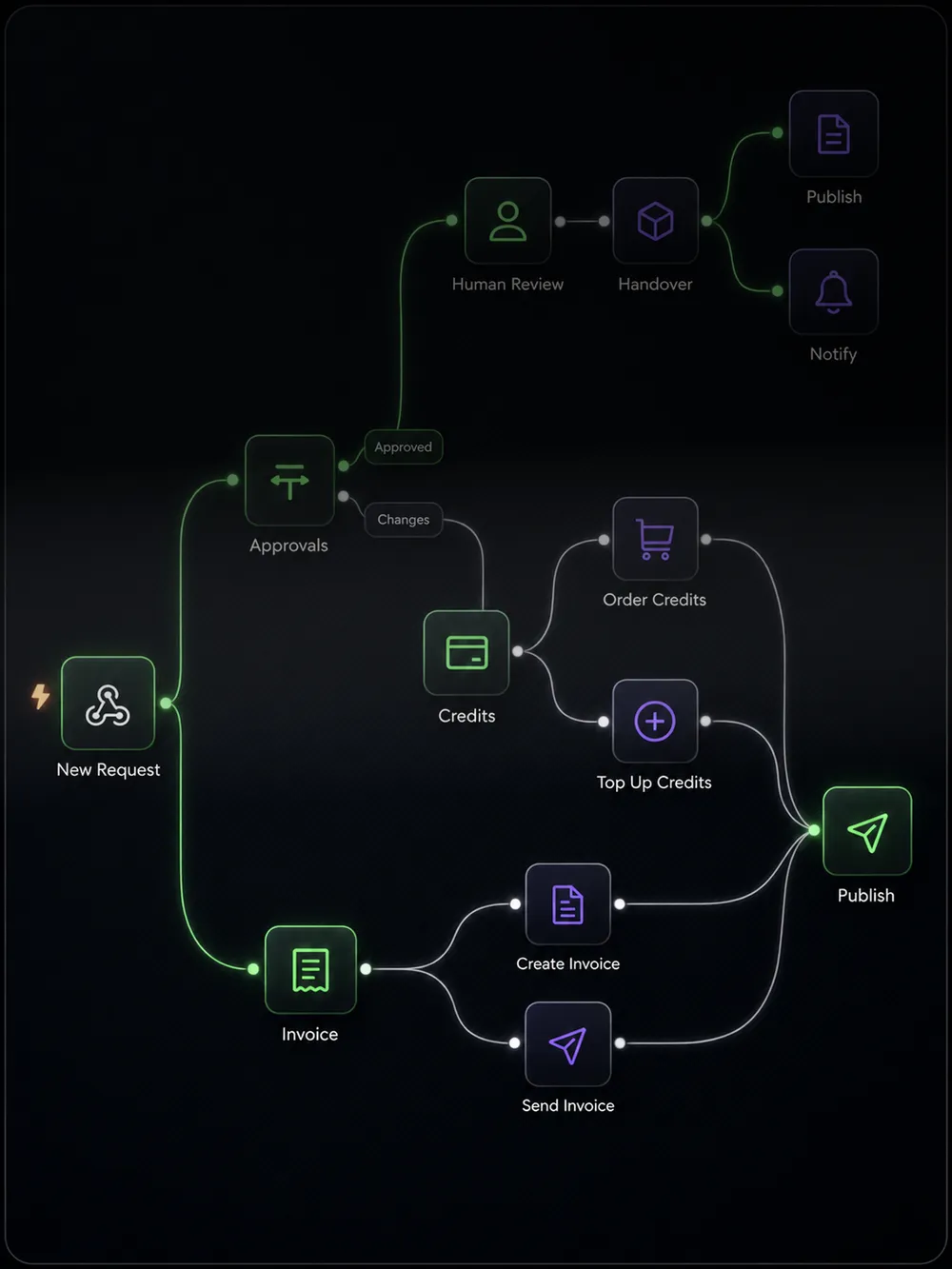
Turn repeated page work into structured content and clear routes for editing, review and approval.

Move existing content carefully, validate the new structure and launch with editorial control intact.
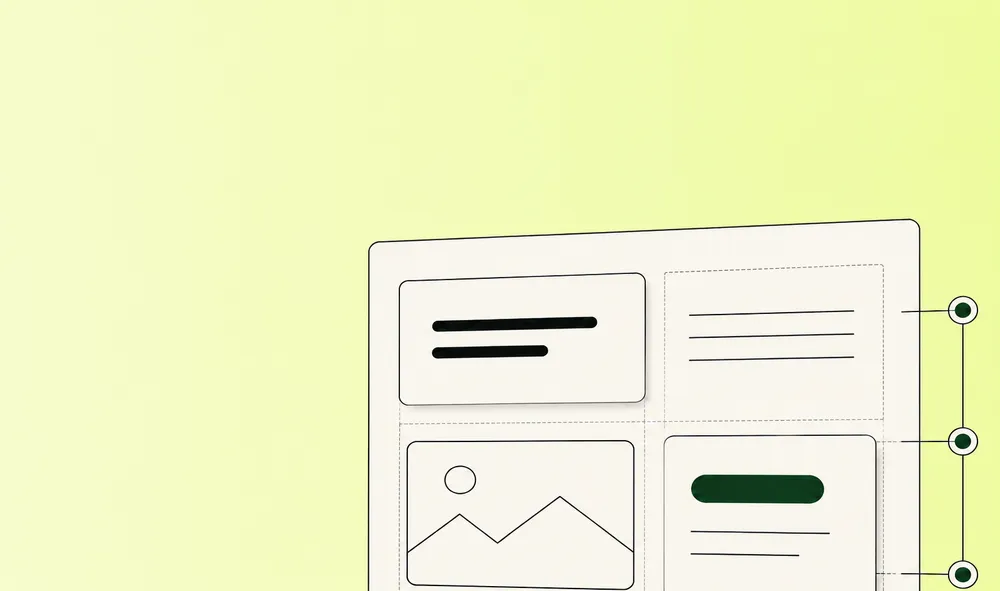
Create an extensible content backend for websites, services and connected digital experiences.
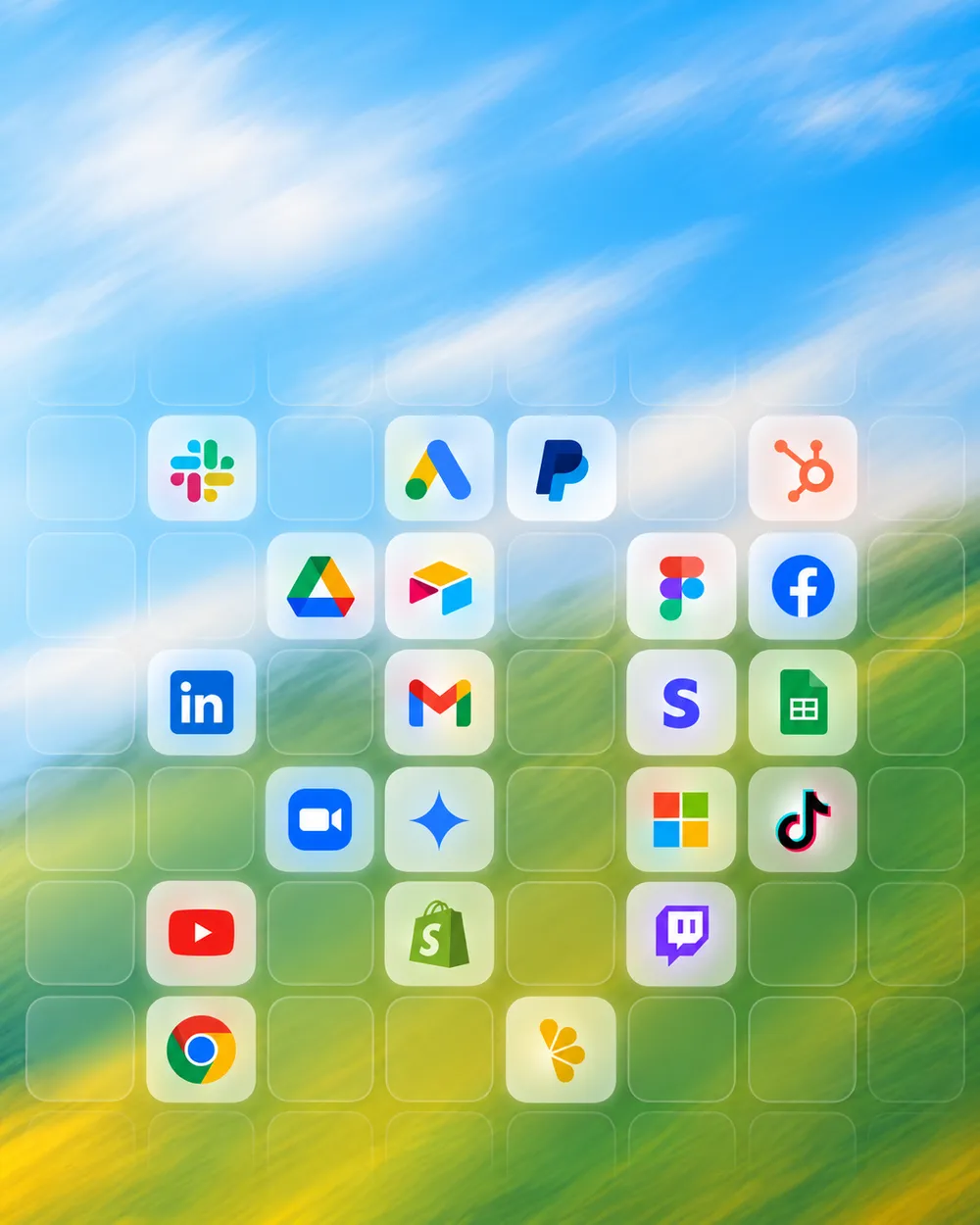
Connect content with APIs, commerce, CRM, ERP and the systems your team already uses.

Manage languages and markets from one foundation while giving local content the structure it needs.
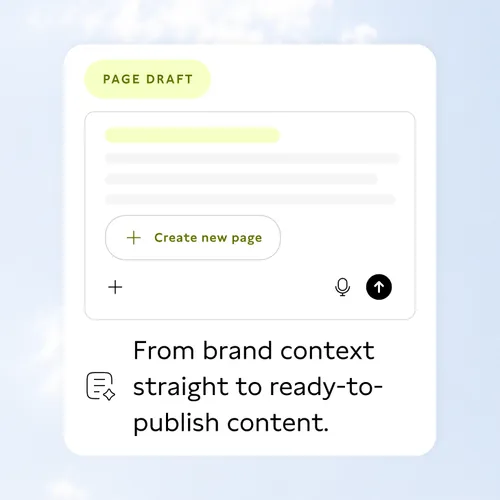
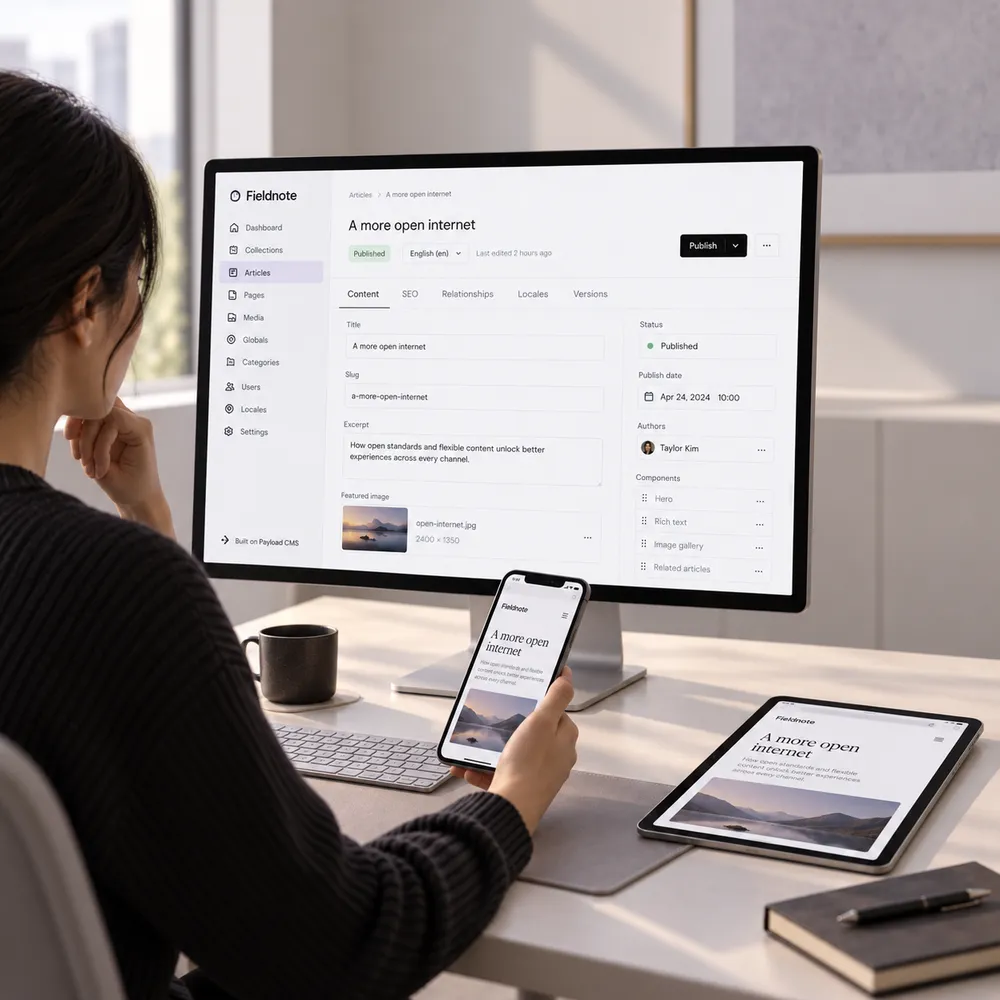
Defined stages help editors, reviewers and approvers see what happens next, while structured fields keep content ready for each selected page, language and channel.
Without shared roles and statuses, feedback gets lost between documents and messages, unfinished changes linger and final responsibility stays unclear.
When it fits the brief, Payload CMS gives structured content, roles and integrations a flexible foundation that can serve evolving frontends, markets and connected applications.
When content and layout are locked together, every new channel or redesign can bring repeated migration work and another isolated publishing process.
Every page draws from the same system, so new ones stay on-brand, fast.
Strategy, design and development under one roof – from the first idea to everything that comes after launch.
No paying per change, no waiting on us for every edit. You own the CMS; we just make it easy to use.
New pages, new markets, new features – without touching what already works.

Strategy, content and tech — built as one clean system.
Fast to launch. Quick to hit limits.

Personal and flexible. Breadth depends on one person.

Broad expertise. More layers between decisions and delivery.
We turn requirements into a working content system through clear decisions, visible progress and close collaboration between strategy, design, content and development.
Align on goals, users, editorial roles, existing systems and the changes the CMS needs to support.
Define content types, relationships, permissions, languages and approval paths before screens begin to multiply.
Shape the editorial experience and frontend components from the same content logic.
Develop the CMS, frontend and integrations, then test the complete workflow with real content.
Migrate, validate and launch the system, then extend it as new needs emerge.
Clear models, permissions and documentation help your team handle routine publishing independently, while direct collaboration keeps larger changes visible and manageable.
As new markets, services or channels emerge, we can extend the same foundation with you instead of sending the system back to square one.

A content system becomes more valuable when design, development, commerce, AI and content work share the same structure and direction.

Turn the content foundation into a fast, responsive website built for real users and future change.
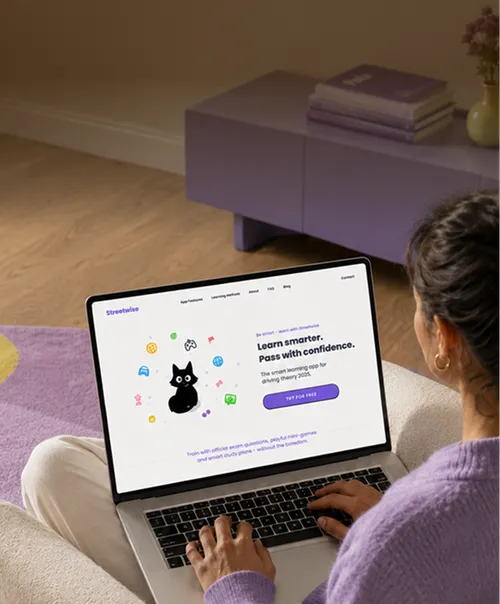
Shape clear journeys and flexible interfaces around the content people need to find and use.
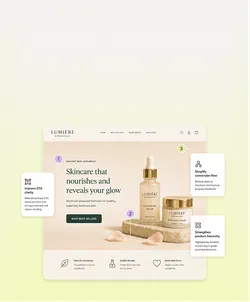
Connect products, content and operational systems across reliable B2B and B2C customer journeys.
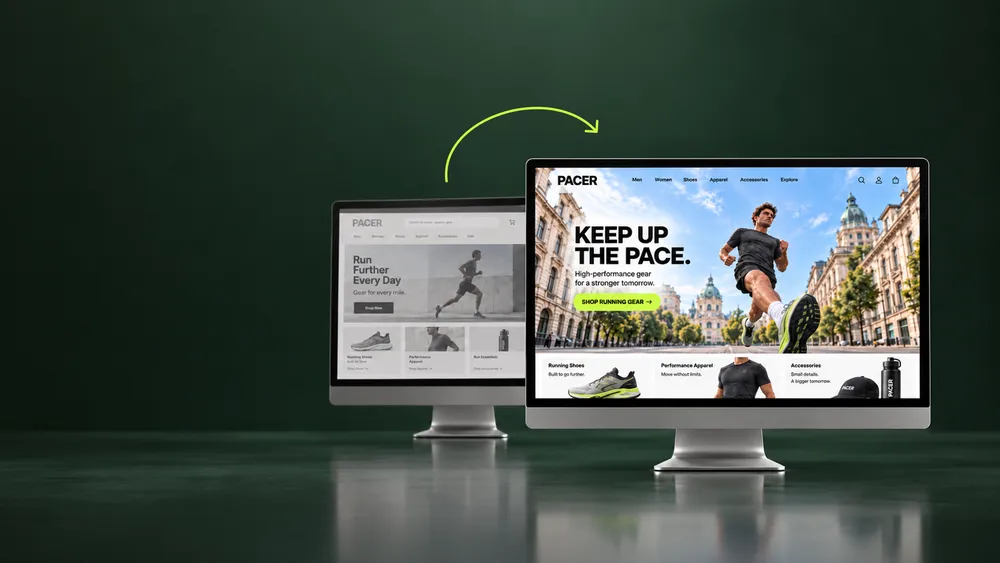
Rethink an existing website strategically, visually and technically when incremental improvements no longer go far enough.
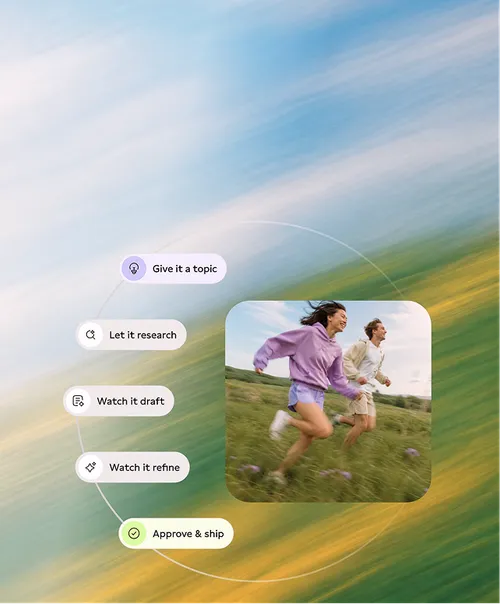
Add focused AI features that reduce repeatable work while keeping people in control.
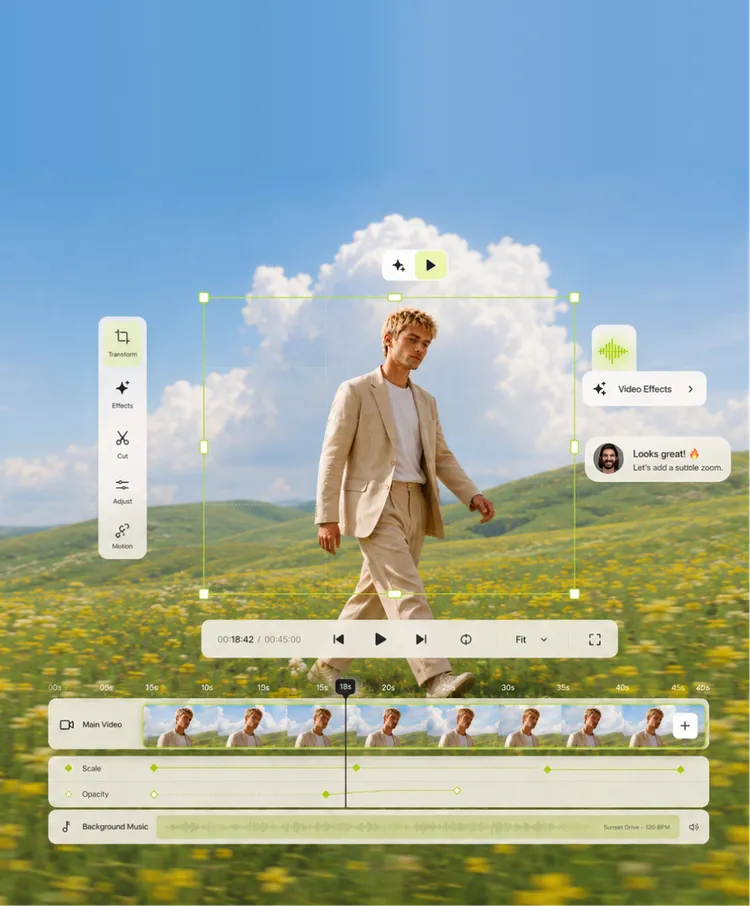
Develop copy, imagery and reusable formats that give the new content structure something worth publishing.

Tell us what your team needs to publish, connect or expand, and where the current setup slows you down.
We’ll turn that into a focused first conversation about priorities, scope and the right foundation.
A headless CMS keeps content separate from the frontend where it is displayed. That gives teams a structured backend for creating and approving content, while websites, apps and other channels can use the same source through APIs.
It can be a strong fit when content needs to serve several pages, languages, markets or connected applications. The right choice depends on your team, publishing needs, existing systems and the changes you expect next.
Yes. We can review the current structure, map content into the new model and validate the migration before launch. The exact approach depends on the quality, volume and relationships in the existing content.
We choose the CMS around your editorial needs, integrations, roles and technical context. Payload CMS is an important Pola foundation when its flexible, structured approach fits the project, but it is not applied automatically.
Cost depends on the content model, number of roles and languages, migration work, integrations, frontend scope and what already exists. After an initial conversation, we define priorities and provide a transparent proposal.
Ownership, access and handover are defined in the project agreement. We build clear roles, maintainable structures and documentation so your team can operate the agreed system with confidence after launch.
Yes. A structured model can manage shared and local content from one foundation, while permissions and workflows help each market work with the version it is responsible for. The exact setup follows your content and governance needs.
Yes. After launch, we can help improve workflows, add content types, connect new systems or prepare additional markets and channels. The work starts with the existing setup and the next change that matters most.