Process Analysis
A few details are enough to get started. We’ll get back to you personally.
We’ll get back to you as soon as possible.
Please try again.

Business process automation connects people, data and systems in clear workflows. We automate repetitive work, reduce manual handovers and keep important decisions in human hands.


Process Analysis
Workflow Design
Data Integration

Internal Tools & Portals
AI-Powered Workflows
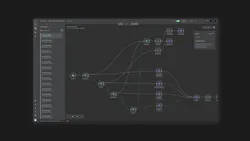
Process Automation
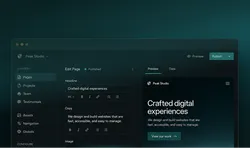
Web Development

App Development

UX/UI & Prototyping

Custom AI Features

CMS Development
Website Optimisation

System Integration
API Integrations

Automation Consulting

Data Processing

Process Monitoring

Pilot Development








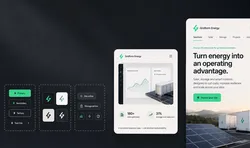
Pola maps the actual workflow with its handovers, responsibilities and dependencies, not just the process on paper. Information reaches the right place and the next step becomes clear.
When information is spread across emails, spreadsheets and separate systems, teams lose time transferring data, chasing updates and working out who needs to act next.
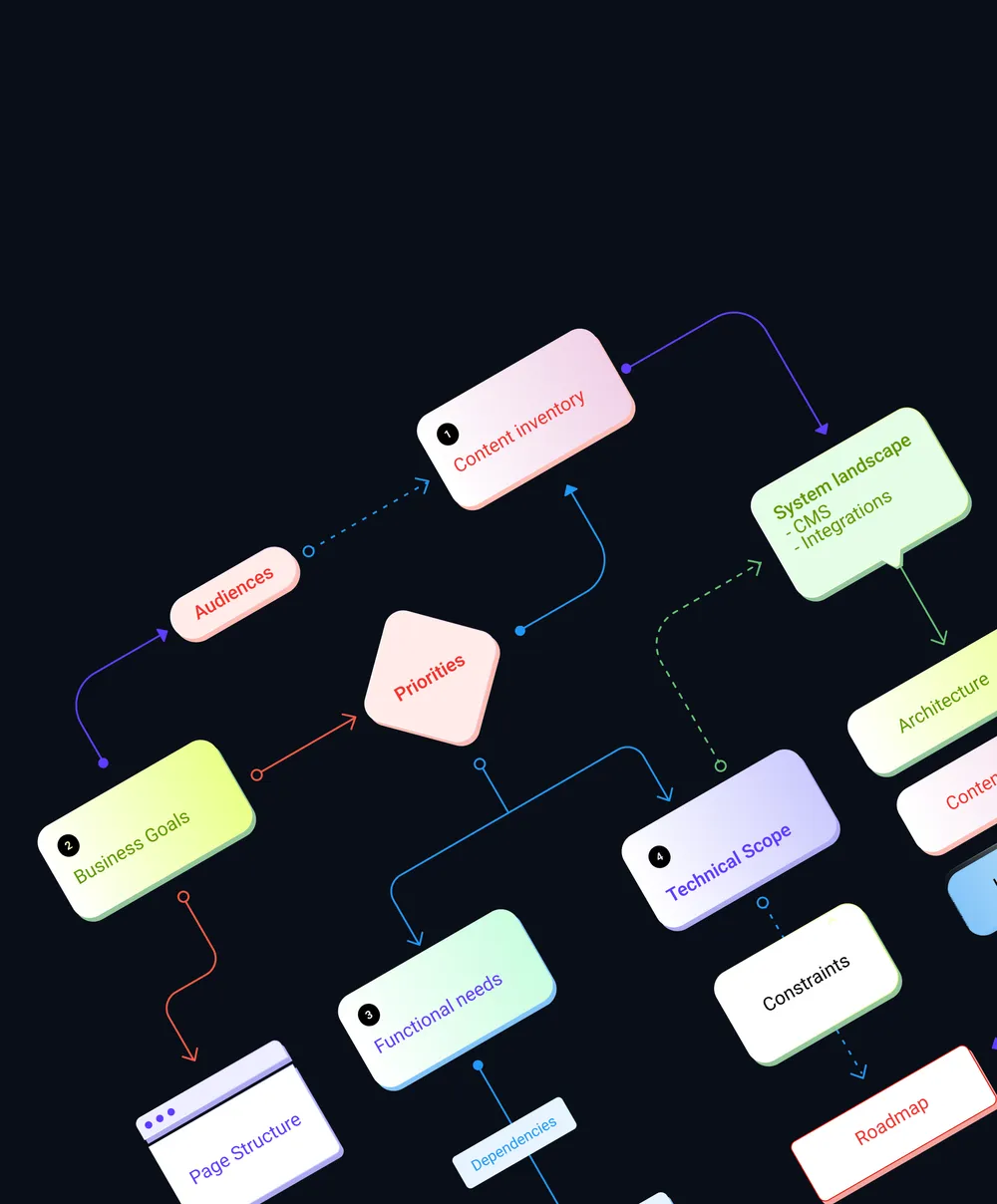
From the first process map to the working interface, each part of the system has a purpose: simplify the work, connect information or remove unnecessary handling.
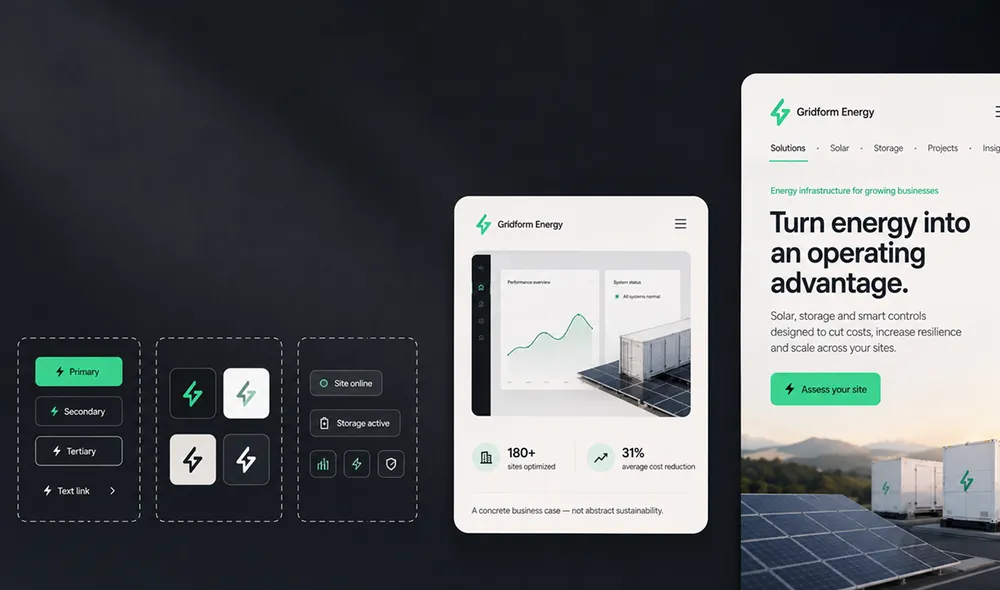
Map workflows, bottlenecks, dependencies and decisions before deciding what should change or become automated.
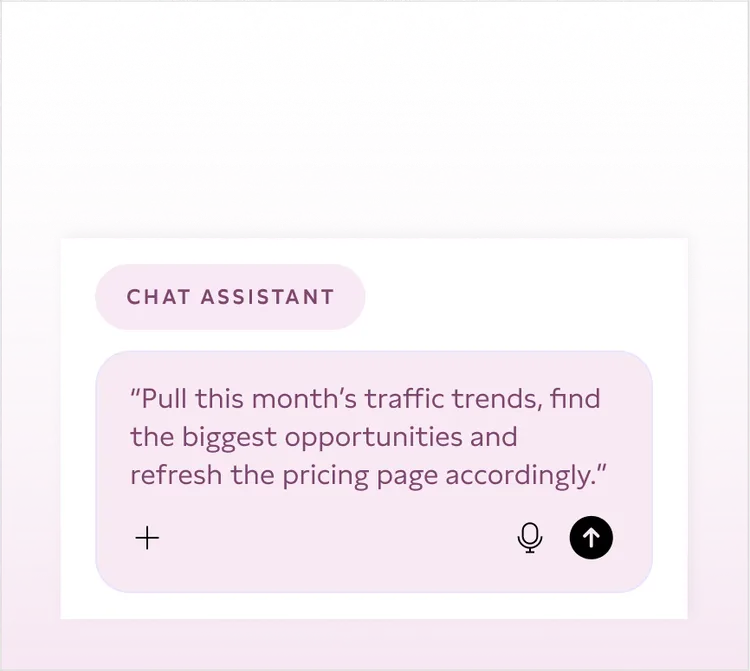
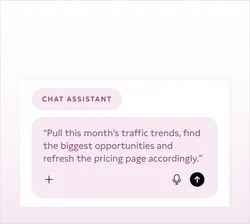
Use AI for variable inputs, extraction and preparation where fixed rules alone aren’t enough.
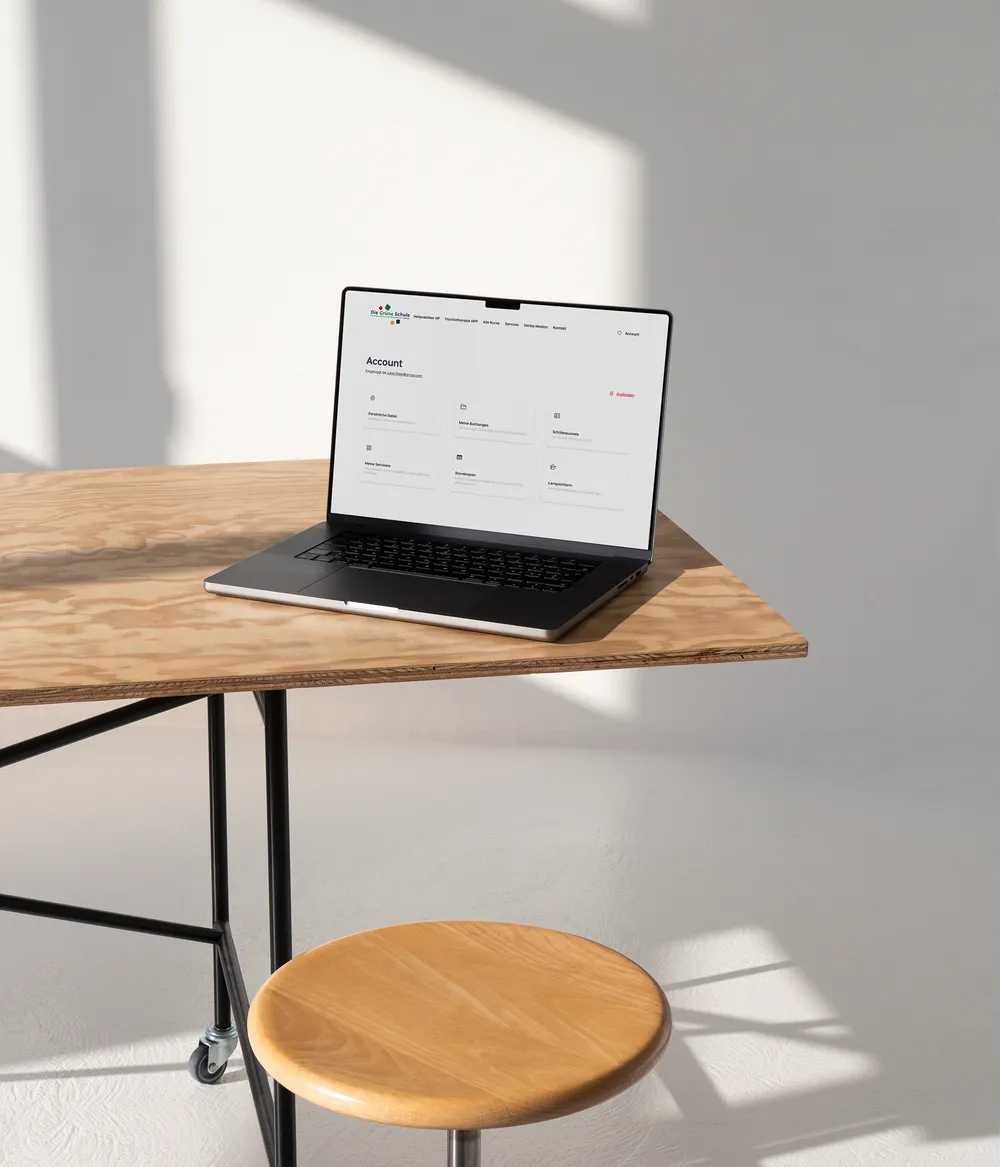
Give teams focused interfaces for the information, actions and decisions they actually need every day.
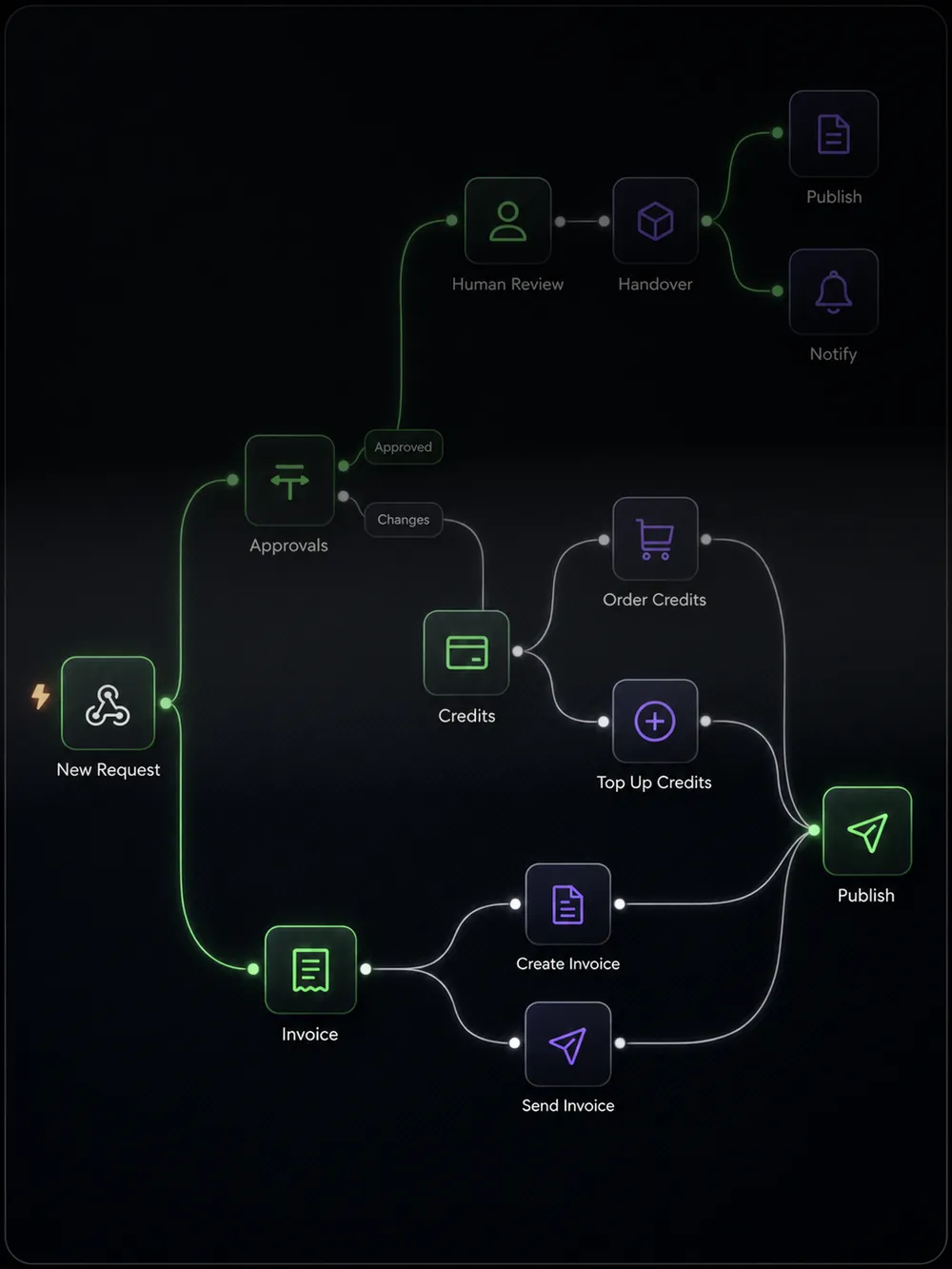
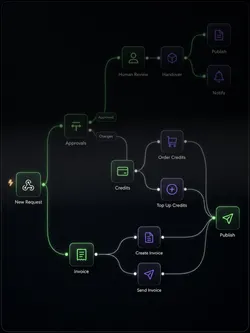
Turn complex procedures into clear flows with defined states, responsibilities, exceptions and next actions.
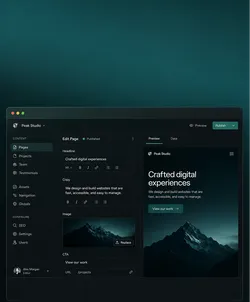
Connect data and systems so teams no longer need to copy, reconcile or search for information manually.

Automate predictable routing, notifications and data handling while keeping exceptions visible and controllable.

Predictable steps can run automatically, while exceptions, approvals and important decisions stay with the people who have the context to judge them.
Where fixed rules are enough, we automate them. Where context matters, we build in approvals, exceptions and AI assistance so people can step in at any time and understand how decisions were made.
We connect existing CRM, ERP and specialist systems through APIs, shared data flows and focused interfaces. The result is one coherent process that builds on what works and remains ready to extend.
These systems often already contain everything a process needs. Friction appears between them, where teams still move information manually from one place to another.

Speed isn't a detail — it's revenue. Every site we ship is built to load fast and convert, not just look good in a demo.
Every page draws from the same system, so new ones stay on-brand, fast.
Strategy, design and development under one roof – from the first idea to everything that comes after launch.
No paying per change, no waiting on us for every edit. You own the CMS; we just make it easy to use.

Process strategy, UX and implementation stay connected in one focused team.
Fast for standard workflows. Limits depend on the product, its APIs and roadmap.

Flexible for a defined workflow. Breadth and continuity depend on one specialist.

Broad capacity for complex programmes, with more coordination and higher initial effort.
We start focused, test early and expand only once the value is proven.
Map the real workflow, systems, handovers, bottlenecks, exceptions and decisions with the people doing the work.
Identify where simplification, integration or automation can improve the process without adding unnecessary technical complexity.
Define the future workflow, responsibilities, data, system behaviour and critical interfaces before full implementation.
Build a focused working version and test it with real users, data and meaningful exceptions.
Connect the proven workflow properly, learn from usage and extend it where further value becomes clear.
Clear workflows, traceable integrations and maintainable interfaces keep process logic understandable and adaptable. Your team stays in control as the business changes and can evolve processes without unnecessary dependency.
Operational software becomes restrictive when every process change depends on a vendor, hidden logic or a tool that no longer reflects how the organisation actually works.

A process project often reveals a wider product, interface or content need. These services turn the connected workflow into something people can use, manage and improve.
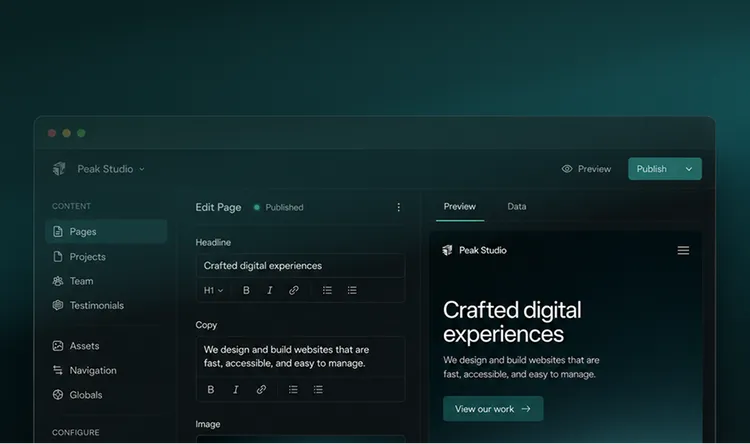
Build the interfaces, integrations and web applications that turn the redesigned workflow into a dependable working system.

Add controlled AI for variable inputs, extraction or preparation where fixed automation reaches its limits.
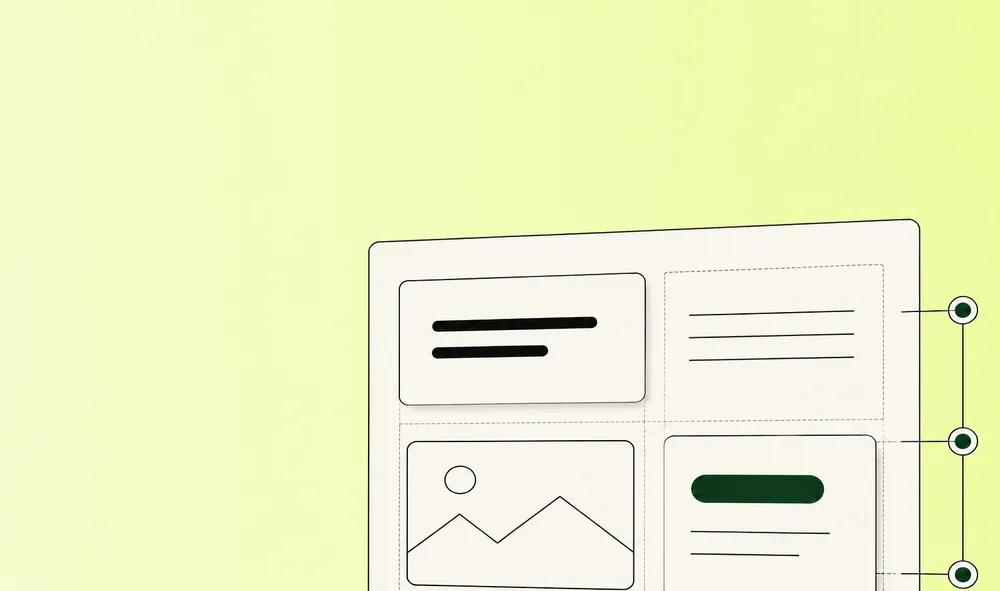
Build structured backends for content, data and recurring tasks that teams can manage themselves.

Create focused web or mobile apps for teams, customers and process steps that need a dedicated product.

Turn complex processes into clear journeys, interfaces and testable prototypes that people can understand and use.
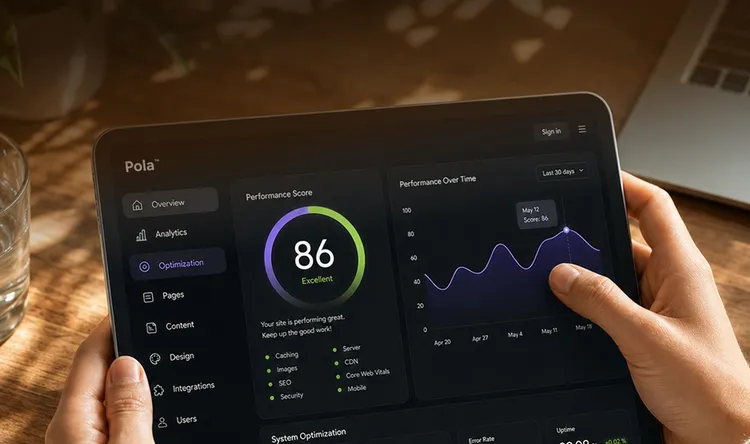
Improve performance, accessibility and conversion once connected services and customer journeys are live.

Bring us one process you want to make easier to run. You do not need a finished specification.
We turn a difficult workflow into a clear first scope, with the right interfaces, responsibilities and functions. That creates a useful starting point you can build on deliberately as the system evolves.
Business process automation redesigns recurring workflows so software can handle predictable steps automatically. It can involve integrations, internal interfaces, data processing and AI while keeping people responsible for decisions that require judgement.
Good candidates involve recurring handovers, repeated data entry, status coordination or predictable actions. We examine the whole workflow first, because simplifying unnecessary steps can be more valuable than automating an inefficient process.
Usually not. Existing CRM, ERP or specialist systems can often remain in place while integrations, workflow logic or a focused interface connect the parts currently handled manually.
No. Predictable logic is usually better handled with conventional rules and automation. AI becomes useful when inputs vary and the task requires interpretation, extraction, classification or preparation rather than a fixed decision tree.
Yes. A focused pilot lets the workflow be tested with real users, data and exceptions before deciding whether the approach should extend to additional teams, systems or processes.
Yes. Responsibilities can be divided across internal IT, existing technology partners and Pola. System ownership, interfaces, security requirements and maintenance responsibilities are clarified as part of the project setup.
Cost depends mainly on workflow complexity, integrations, interfaces, data requirements, permissions and the amount of custom development required. Understanding the actual process first gives a more reliable basis for scoping the work.
The workflow can be refined from real usage, new requirements and operational feedback. Further automation or integrations can then be added where they solve a demonstrated need rather than expanding the system speculatively.