Conversion Optimisation
A few details are enough to get started. We’ll get back to you personally.
We’ll get back to you as soon as possible.
Please try again.

Our website optimisation services combine content, UX, performance and analytics to strengthen key journeys, lift conversion and make new pages, offers and campaigns easier to launch.


Conversion Optimisation
Website Copy
Performance Optimisation
Technical SEO

Accessibility

Analytics
Landing Page Design
Development & CMS

Responsive Development
Ongoing Development








Focused improvements to content, journeys and technical performance help your website convert more effectively, stay easier to use and keep pace with changing offers.
Small gaps compound over time: slow pages, unclear copy, awkward mobile journeys and weak measurement can quietly hold back an otherwise solid website.
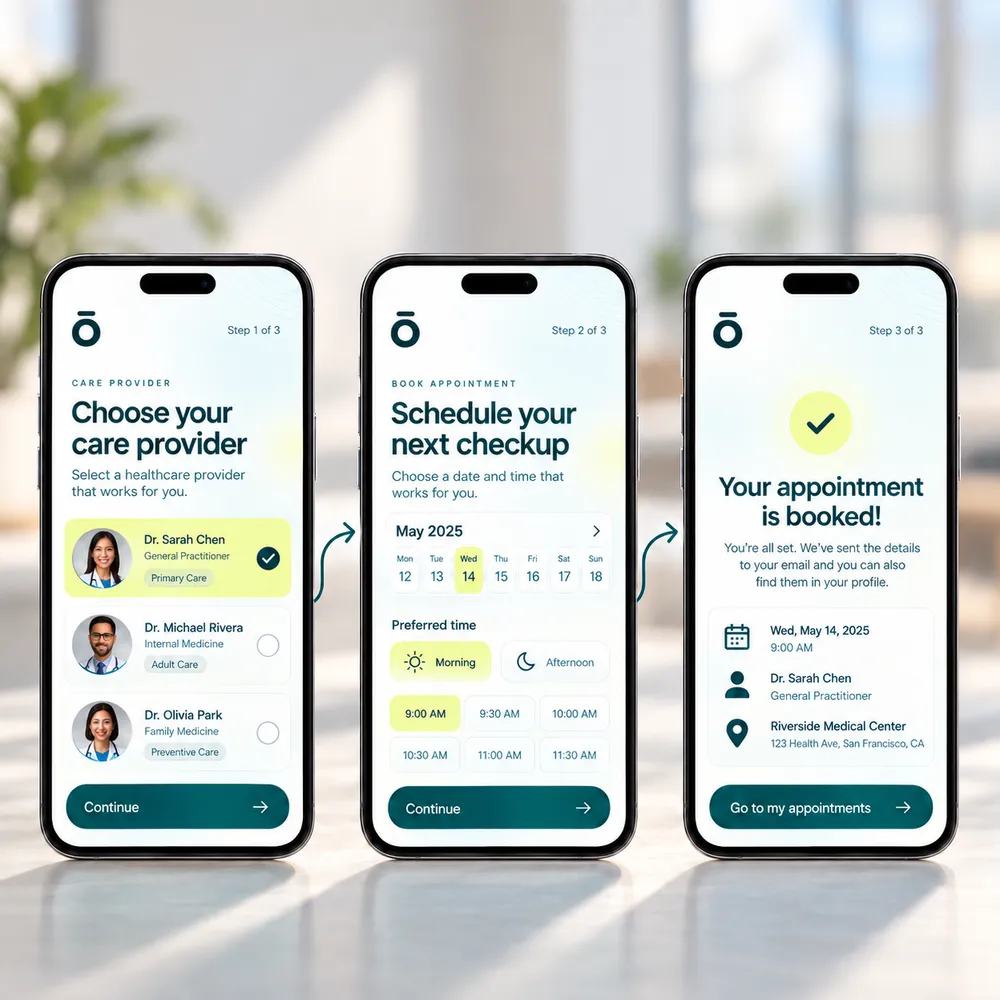
From clearer journeys to faster pages, we improve the parts of your website that shape decisions, usability and long-term performance.

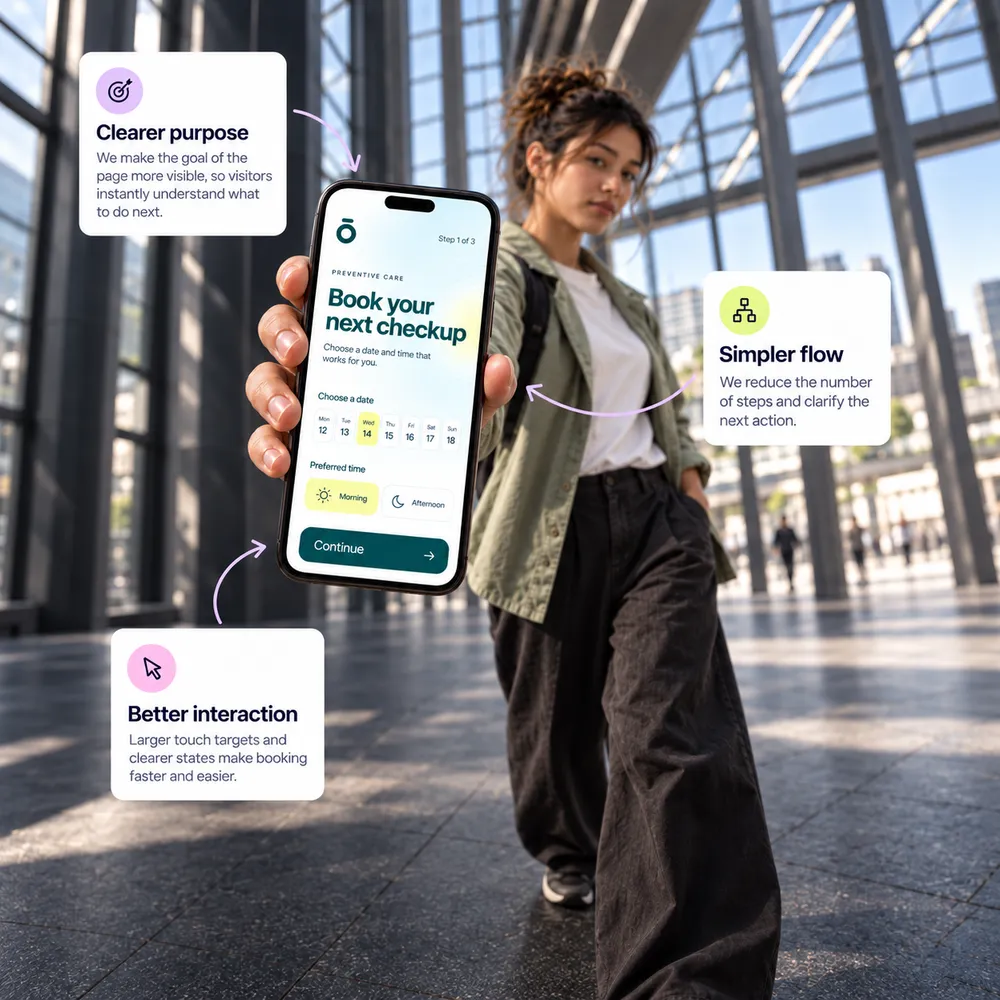
We refine priority journeys and interactions so more visitors can move towards the right next step.

We sharpen structure and messaging so people understand your offer and know what to do next.
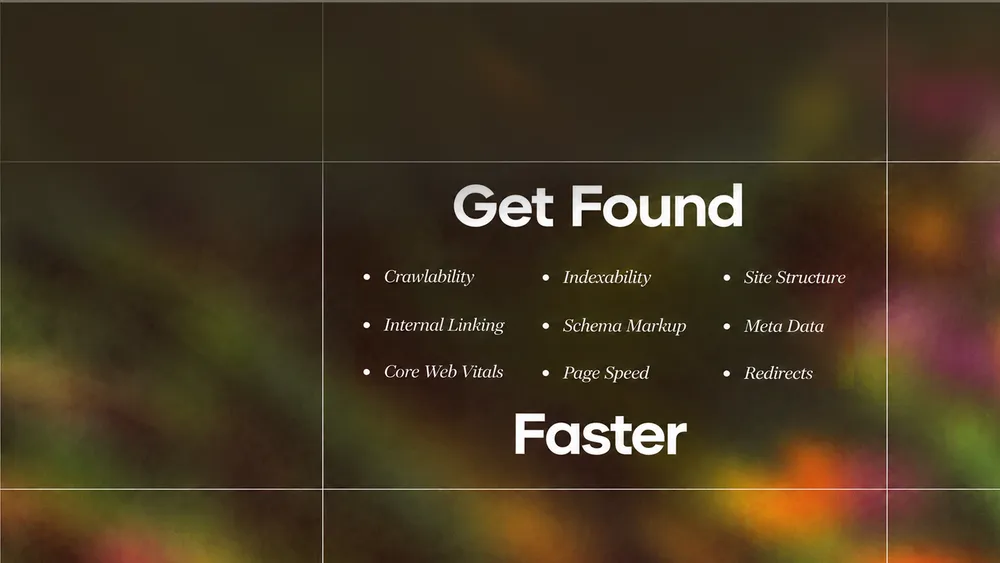
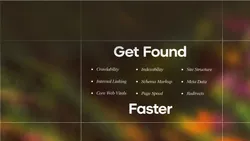
We strengthen crawlability, structure and on-page foundations so search engines can understand the site more clearly.
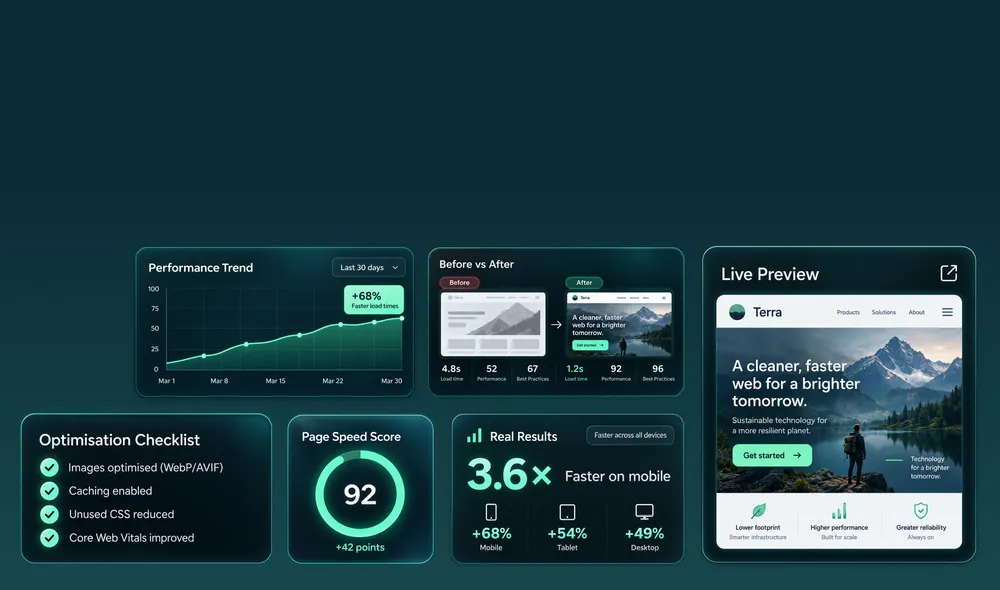
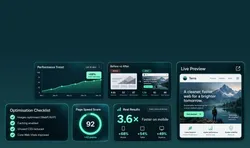
We identify technical bottlenecks and improve loading, responsiveness and stability across real devices.

We improve relevant barriers in an agreed scope, making key content and interactions easier to use.
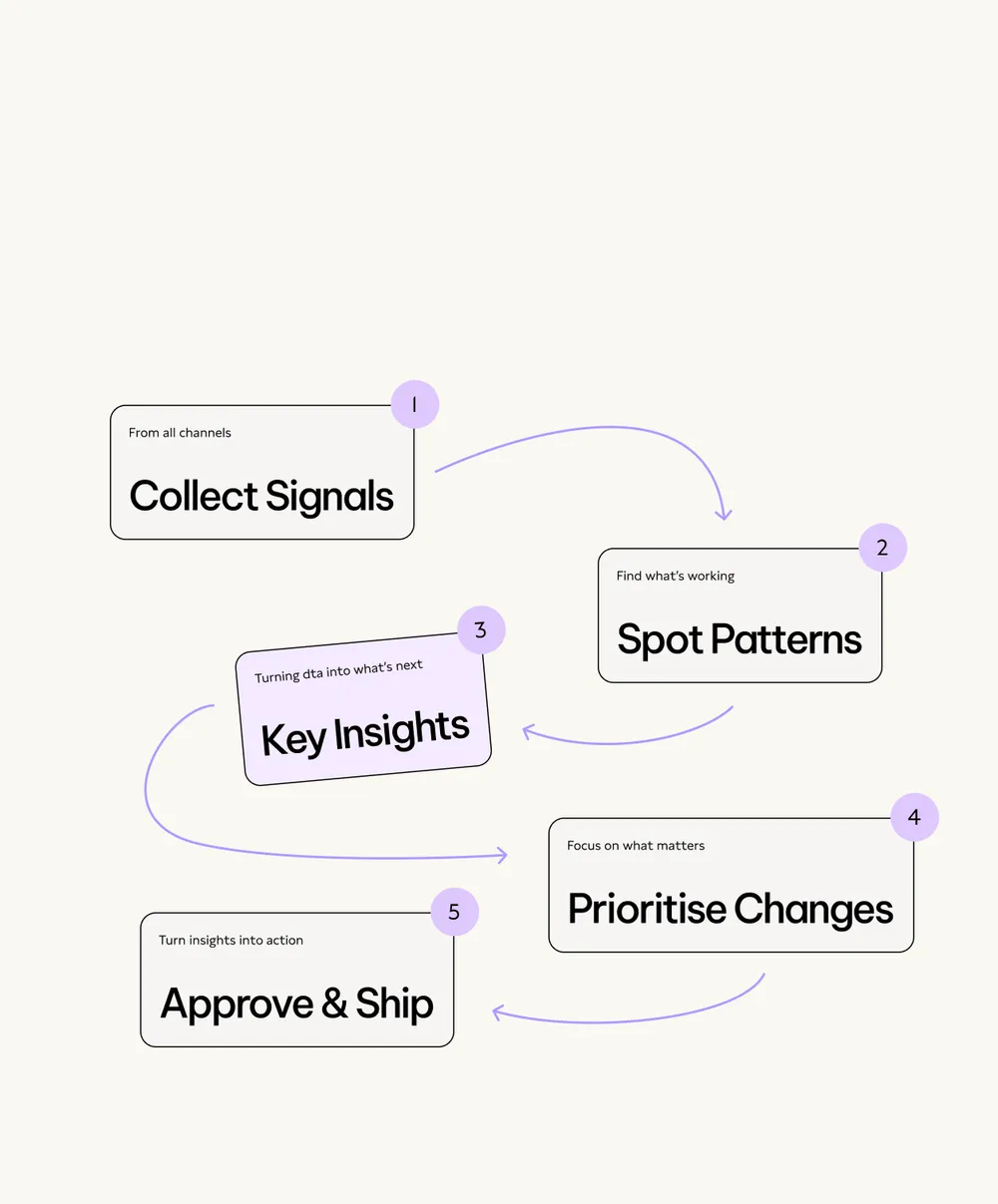
We connect useful signals to the decisions that shape the next round of focused improvements.
More sales in Vodafone’s controlled Web Vitals test after a 31% LCP improvement.
Higher lead-to-visit rate in the same controlled Vodafone test.
Of one million home pages had detectable WCAG failures in WebAIM’s 2025 study.

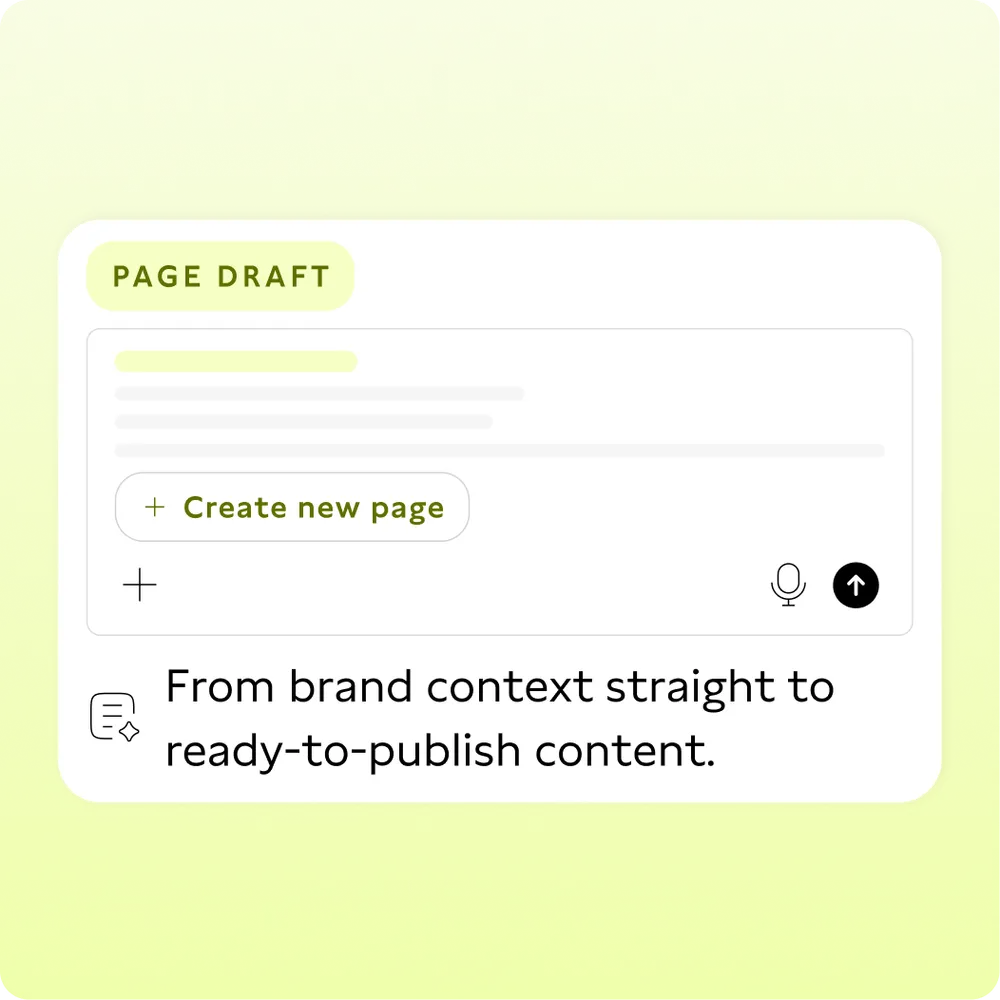
Where we have built the backend, an AI plugin can connect to the CMS and turn approved optimisation priorities into new pages, updated content and structured changes through chat.
Google Analytics, Google Search Console and DataForSEO contribute performance and search signals. The system cross-checks the evidence, recommends next improvements and leaves review and approval with your team.
An optimisation project keeps useful foundations in place and concentrates effort where targeted changes can create the most value.
When structure, technology or brand direction no longer supports the job, a wider redesign may be the more useful investment.
Speed isn't a detail — it's revenue. Every site we ship is built to load fast and convert, not just look good in a demo.
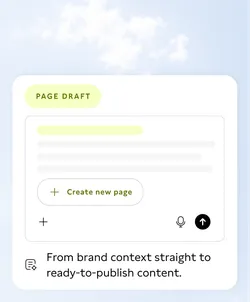
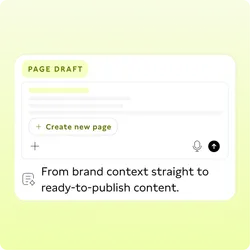
Every page draws from the same system, so new ones stay on-brand, fast.
Strategy, design and development under one roof – from the first idea to everything that comes after launch.
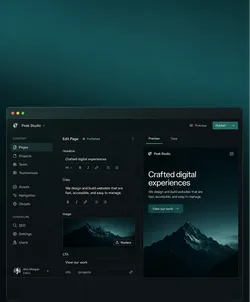
No paying per change, no waiting on us for every edit. You own the CMS; we just make it easy to use.

Signals, content and code in one loop.

Sharper journeys. Limited technical depth.
Solid build. Varying content depth.
Flexible support. Limited capacity.
Close to the work. Time-constrained.
We start with the part of the website that matters most, turn the evidence into a focused move and keep your team involved at every decision.
Agree the journey, page type or technical issue where a focused change can make the most useful difference.
Review the available analytics, search data, content and technical evidence in the context of your business goal.
Prioritise the change with your team, weighing likely value, effort and dependencies before implementation begins.
Refine the content, UX or technical foundation and implement the agreed change in the live website.
Review what changed, capture the learning and decide whether to extend, adjust or move to the next priority.
Structured content, reusable components and clear controls let your team add, adapt and extend the website without losing consistency.
When AI is connected to the backend, new service or product pages can be prepared through chat instead of moving between tools and entering every change manually.
Optimisation often reveals a wider design, content or technical need. These services carry the work forward without blurring the original goal.

Find the issues, opportunities and priorities before deciding what should change first.

Shape clearer journeys and a stronger visual system when targeted optimisation reaches the interface.
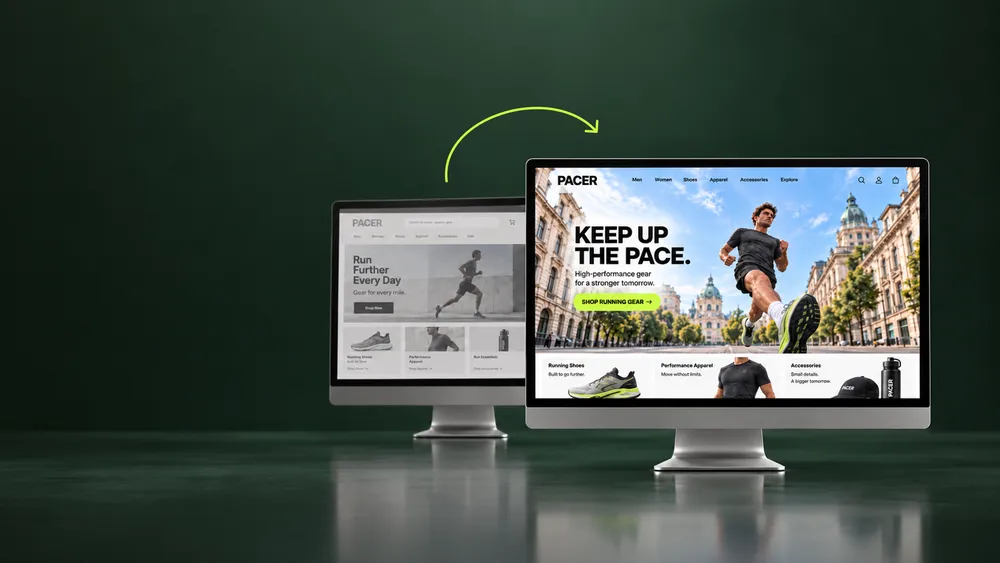
Rethink the wider structure, design and technology when focused changes are no longer enough.

Extend components, CMS logic and integrations when improvement needs deeper technical work.

Make complex journeys, interfaces and decisions easier for people to understand and use.
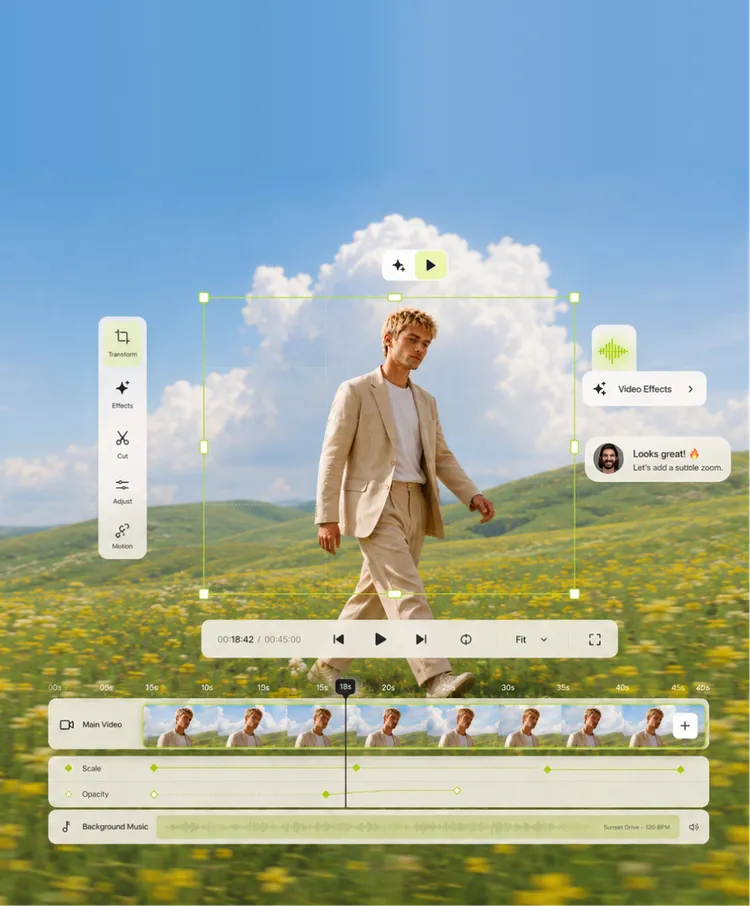
Develop copy, imagery and motion that keep key pages useful, relevant and on brand.

Tell us what feels slow, unclear or underused. We’ll help identify the most useful place to start.
The first conversation focuses on your priorities, current setup and the change likely to matter most.
It can cover conversion journeys, copy, performance, technical SEO, accessibility and analytics. We define the scope around the website’s current condition, business priorities and the areas where focused change is most useful.
Optimisation is a good fit when the core structure, technology and brand direction still work. If those foundations limit the change you need, we may recommend a wider redesign rather than layering more fixes onto the site.
Often, yes. We first review the current setup, codebase, CMS, access and constraints. That tells us what can be improved safely, what needs deeper work and whether keeping the existing foundation remains the sensible choice.
We combine the business goal with analytics, search signals, user journeys and technical findings. Priorities are based on likely value, effort and dependencies, then agreed before implementation so the work stays focused and explainable.
No. Rankings and conversion depend on many factors outside a single optimisation project. We improve the relevant foundations, implement agreed changes and measure what the available data can show without turning an estimate into a guarantee.
Cost depends on the website’s condition, the number of journeys or page types involved, technical access and the agreed scope. After an initial review, we define clear priorities and provide a transparent proposal.
Timing depends on scope, access, the condition of the existing site and how quickly decisions can be made. A focused set of changes may move faster than a broad cross-site programme; we define realistic stages after the initial review.
Yes, where the current setup allows it. We keep decisions visible, work with understandable structures and avoid unnecessary lock-in. Your team retains the agreed access, and we can support further rounds when new priorities emerge.